
Seleccionar página

New

Contact us to get in touch!

Fill out the form and we will return to you asap. Thanks!

OUR GENERAL CONTACT:

info@managingcomposites.com
(+34) 919 54 55 60

JOB APPLICANTIONS:

whereismyhelmet
@managingcomposites.com

Contact us to get in touch!

Fill out the form and we will return to you asap. Thanks!

OUR GENERAL CONTACT:

info@managingcomposites.com
(+34) 919 54 55 60

JOB APPLICANTIONS:

whereismyhelmet
@managingcomposites.com

JEC 2026. The composites big party

JEC 2026. The composites big party

Managing Composites experienced its most special JEC World to date in 2026, combining its role as media partner with an outstanding presence as exhibitor. From showcasing a carbon fiber monocoque for the Zenvo Aurora hypercar to presenting sustainable flax fiber solutions and the latest ESEN·EYE technology, the team highlighted how innovation and composites are shaping the future of mobility and manufacturing.

When are composites cost-effective?

When are composites cost-effective?

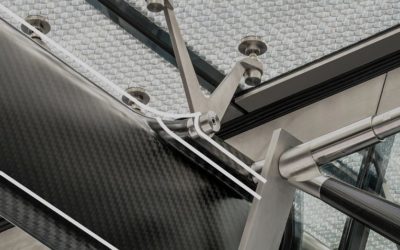
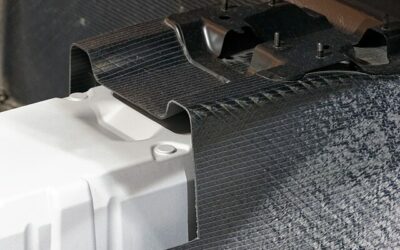
Are composites really more expensive than metals? Not always. From lower manufacturing complexity to long-term savings in operation and maintenance, discover when composites become the most cost-effective choice.

Manufacturing Methods in Composites

Manufacturing Methods in Composites

Composite manufacturing includes a wide range of processes, from simple manual techniques to highly automated systems. This article compares the main manufacturing methods, outlining their advantages, drawbacks, and when each one is best suited depending on part requirements, production volume, and performance goals.

Sustainability in Composites

Sustainability in Composites

Composites already save tons of energy and emissions, but sustainability doesn’t stop there. New materials, new resins, and new ways to recycle are pushing the industry toward a more sustainable future. Here’s the full picture.

How to Enhance Quality Control in Composites

How to Enhance Quality Control in Composites

Quality control in composite manufacturing is critical because the material’s properties are created during production, not before it. Every ply, cure cycle and process parameter directly affects the final performance of the part. For this reason, inspections must be applied at every stage: before, during and after manufacturing.

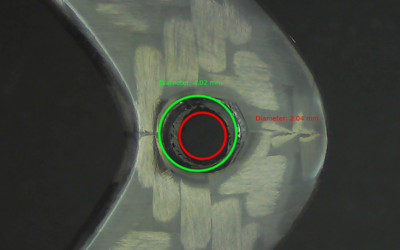
Before production, fibers, resins and prepregs are verified to ensure they meet all chemical, mechanical and traceability requirements. During manufacturing, monitoring fiber orientation, ply placement, vacuum integrity and cure conditions helps prevent defects early, while advanced computer-vision systems can detect subtle deviations long before they fall out of tolerance. After manufacturing, high-resolution inspections validate surface quality, fiber alignment, geometry and inserts, providing full traceability and reliable documentation for every component.

Modern, data-driven quality control doesn’t just catch defects — it elevates the entire composite manufacturing process.

Expert composites courses… but cooler

Expert composites courses… but cooler

Unlock the world of composite materials with The Native Lab, Managing Composites’ training platform led by engineers from top-tier companies like McLaren, Koenigsegg, Airbus, and Mercedes AMG F1. Discover industry-recognized online programs and hands-on bootcamps in Prepreg, Wet Layup, and Resin Infusion—designed for professionals, companies, and Formula Student teams. High-quality composites education, accessible to anyone in the world.

Carbon Fiber Types

Carbon Fiber Types

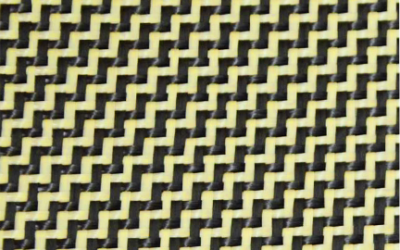
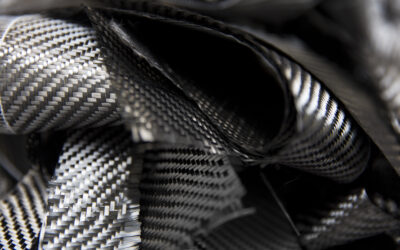
Discover the different types of carbon fiber, their mechanical properties, available forms, and tow sizes. Learn how each variant affects performance and which options are best suited for some of the most common applications

Is Carbon Fiber Stronger Than Steel?

Is Carbon Fiber Stronger Than Steel?

Carbon fiber is often described as stronger than steel — and in many ways, it is. But the comparison isn’t simple. This article explores tensile strength, stiffness, weight, failure behavior, and when each material is the smarter choice.

Why is carbon fiber so expensive?

Why is carbon fiber so expensive?

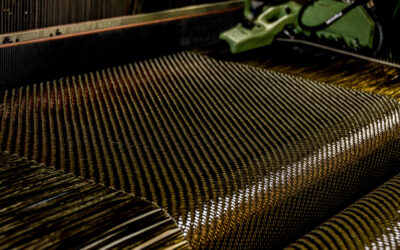
Carbon fiber isn’t pricey just because it’s high-tech —it’s because producing it involves costly materials, energy-intensive steps, and expert craftsmanship. Learn what makes carbon fiber so expensive, where the money goes, and why sometimes it’s actually the smartest, most cost-effective choice.